Float Skin in CS2 - Complete Float Value and Wear Guide
 •
•
What is skin float in CS2?
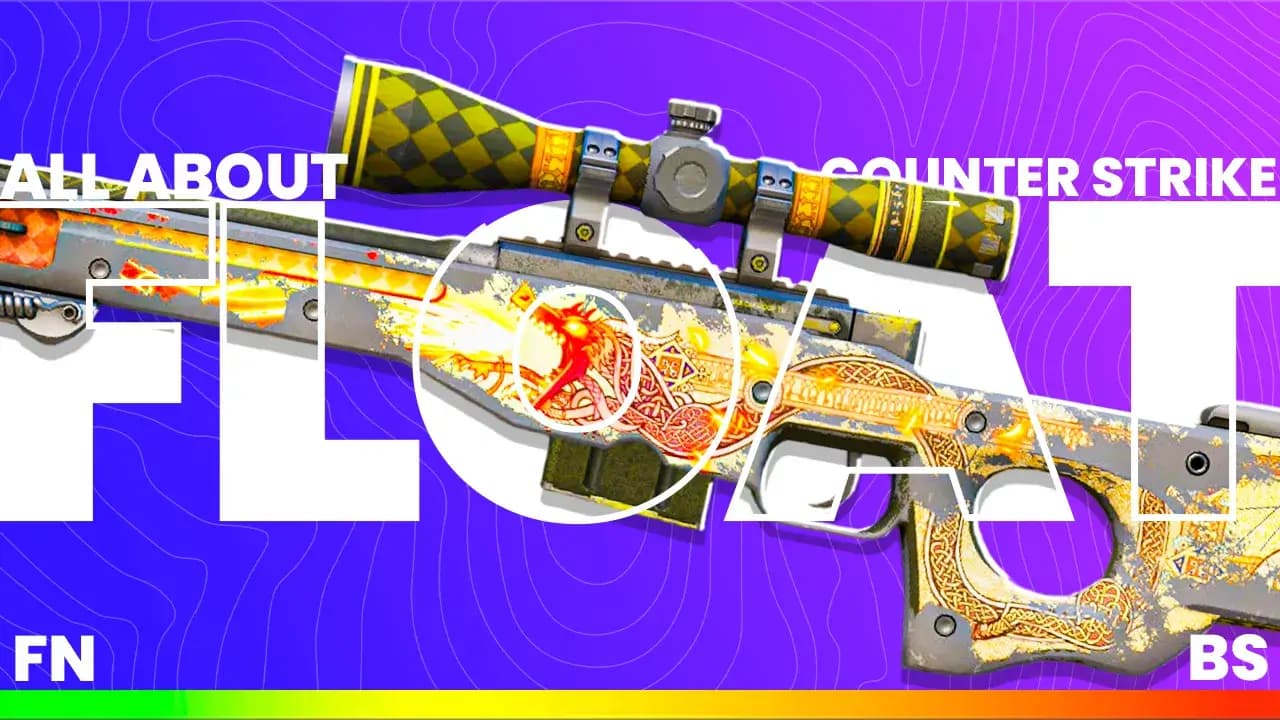
Skin float in CS2 is a numerical value that shows how worn a weapon skin is. In simple terms, float decides whether a skin looks clean, scratched, darkened, faded, or heavily damaged. The float value usually ranges from 0.00 to 1.00, where values closer to 0 are cleaner and values closer to 1 are more worn.
Float is one of the most important details in the CS2 skin market because two skins with the same name and same exterior can still look different. For example, two Field-Tested AK-47 skins may both be listed as Field-Tested, but one can have a float close to Minimal Wear and look much cleaner, while the other can be close to Well-Worn and look significantly worse.
From our expert perspective, float is one of the first things every CS2 skin buyer should understand. It affects appearance, price, resale potential, trade-up value, and whether a skin is actually a good deal or only looks cheap at first glance.
CS2 float value ranges
CS2 skins are divided into five main wear categories. Each category is connected with a specific float range:
| Wear level | Abbreviation | Float range |
|---|---|---|
| Factory New | FN | 0.00 - 0.07 |
| Minimal Wear | MW | 0.07 - 0.15 |
| Field-Tested | FT | 0.15 - 0.38 |
| Well-Worn | WW | 0.38 - 0.45 |
| Battle-Scarred | BS | 0.45 - 1.00 |
These wear ranges are widely used across CS2 marketplaces, float guides, and skin databases.
Does float change over time in CS2?
No, float does not change over time in CS2. A skin does not become more scratched because you play with it. If you buy a skin with a 0.18 float, it will stay 0.18. It will not slowly become 0.25, 0.40, or Battle-Scarred after many matches.
The float value is assigned when the skin is generated and remains fixed.
This is extremely important for buyers. CS2 skins do not work like real physical items. You can use a Factory New skin for thousands of rounds and it will still remain Factory New. The only thing that changes is the market price, not the float.
Float value vs skin exterior
The exterior is the visible wear category shown in the game and on marketplaces, such as Factory New or Field-Tested. Float value is the exact number behind that category.
Example:
- A skin with 0.069 float is Factory New, but very close to Minimal Wear.
- A skin with 0.071 float is Minimal Wear, but visually may look almost Factory New.
- A skin with 0.150 float is Field-Tested, but extremely close to Minimal Wear.
- A skin with 0.379 float is Field-Tested, but very close to Well-Worn.
- A skin with 0.451 float is Battle-Scarred, but barely over the Battle-Scarred border.
This is why serious buyers do not look only at the exterior label. They also check the exact float.
Why does float matter in CS2?
Float matters because it affects how the skin looks and how much it can be worth. In most cases, lower float means cleaner appearance and higher price. Factory New and low-float Minimal Wear skins are often more expensive because they have fewer scratches and better visual quality. Field-Tested skins often offer a better price-to-look balance, while Well-Worn and Battle-Scarred skins are usually cheaper.
Float matters for:
- Skin appearance.
- Market price.
- Resale value.
- Trade-up contracts.
- Collector demand.
- Rare float rankings.
- Overpay potential.
- Whether a skin looks better or worse than its exterior suggests.
The same skin name is not enough. A skin’s float can decide whether it is a standard market item, a good budget buy, or a collector-grade item.
Factory New float in CS2
Factory New skins have a float from 0.00 to 0.07. These are usually the cleanest versions of a skin and often the most expensive regular exterior category.
Factory New is best if:
- You want the cleanest possible look.
- You care about resale value.
- You are buying a premium skin.
- You want minimal scratches.
- You collect low-float skins.
However, Factory New is not always the smartest buy. Some Factory New skins are much more expensive than Minimal Wear versions that look almost identical in game. That is why you should always compare the visual difference before overpaying.
Minimal Wear float in CS2
Minimal Wear skins have a float from 0.07 to 0.15. They usually have small signs of wear but can still look very clean. For many players, Minimal Wear is the best compromise between price and appearance.
Minimal Wear is often a smart choice if:
- Factory New is too expensive.
- The skin still looks clean at low MW float.
- You want good resale potential.
- You care about appearance but not perfection.
- You want a practical play skin.
A 0.08 Minimal Wear skin can sometimes look extremely close to Factory New, while costing much less. This is one of the most common areas where experienced buyers find better value.
Field-Tested float in CS2
Field-Tested skins have a float from 0.15 to 0.38. This is one of the most important wear categories for normal players because it often offers the best balance between affordability and appearance.
Field-Tested is good if:
- You want a cheaper skin.
- You care more about value than perfect condition.
- The skin design hides wear well.
- You want a play skin, not a collector item.
- You find a low Field-Tested float close to 0.15.
A 0.15-0.20 Field-Tested skin can be a very good deal if it looks close to Minimal Wear. A 0.35-0.38 Field-Tested skin can look much more worn and should usually be cheaper.
Well-Worn float in CS2
Well-Worn skins have a float from 0.38 to 0.45. This is a narrow range, but it can make a big visual difference depending on the skin.
Well-Worn can make sense if:
- The skin still looks good with wear.
- You want a cheaper version of an expensive skin.
- The design is dark or naturally rough.
- You do not mind scratches.
- The price difference compared with Field-Tested is large.
Well-Worn is not always bad. Some skins still look strong in Well-Worn, while others lose much of their visual appeal. Always inspect the skin before buying.
Battle-Scarred float in CS2
Battle-Scarred skins have a float from 0.45 to 1.00. These are usually the most worn regular versions of skins and often the cheapest.
Battle-Scarred is good if:
- You want the cheapest version.
- The skin looks interesting when worn.
- You like rugged or damaged designs.
- You are buying a budget skin.
- You want a rare high-float collector item.
Not every Battle-Scarred skin is worthless. Some high-float items can be interesting for collectors, especially if they have extreme float values. But for normal buyers, Battle-Scarred usually means lower price and more visible wear.
Low float skins in CS2
A low float skin is a skin with a float close to 0.00. The lower the number, the cleaner the skin usually looks. Very low float skins can receive overpay, especially if they are rare, popular, or rank highly in float databases.
Examples:
- 0.06 - normal Factory New.
- 0.03 - cleaner Factory New.
- 0.01 - very clean Factory New.
- 0.005 - collector-level low float for many skins.
- 0.000x - rare low-float territory.
Low float matters most when:
- The skin is expensive.
- The skin shows wear clearly.
- Collectors care about float ranking.
- The item is a knife, glove, AK, AWP, or premium rifle skin.
- The difference is visible in game.
Do not overpay blindly for low float if the skin looks the same in actual gameplay. Low float should either improve appearance, rarity, or resale appeal.
High float skins in CS2
High float skins are skins with values close to 1.00. Most high-float skins are cheaper because they look worn, scratched, or damaged. However, very high float items can sometimes be collectible.
High float can matter if:
- The skin has a special worn look.
- The community likes extreme float versions.
- The float is close to the maximum possible value.
- The item has collector interest.
- The skin looks unique when heavily worn.
For normal players, high float usually means budget. For collectors, extreme high float can sometimes be interesting. These are two very different buying strategies.
Float and price in CS2
Float affects price, but not always in a simple way. Lower float usually increases value, but the amount of overpay depends on the skin, exterior, rarity, pattern, demand, and how visible the wear is.
Float affects price more when:
- The skin is expensive.
- The float is close to an exterior border.
- The skin has visible scratches.
- The skin is popular.
- The float is extremely low or extremely high.
- The item is rare or collectible.
- The difference is easy to see in game.
Float affects price less when:
- The skin hides wear well.
- The skin is cheap.
- The design looks similar across wear levels.
- Demand is low.
- The float is not close to a meaningful border.
Our expert opinion: float is most valuable when it is visible, rare, or useful for resale. If none of those apply, paying extra for float may not be worth it.
Float and patterns in CS2
Float and pattern are different things. Float decides how worn the skin is. Pattern decides how the skin texture is placed on the weapon. For some skins, pattern can be more important than float.
Examples where pattern can matter a lot:
- Case Hardened skins.
- Fade skins.
- Doppler phases.
- Marble Fade patterns.
- Crimson Web web placement.
- Slaughter patterns.
- Some rare knife finishes.
A low float skin with a weak pattern may be less desirable than a higher float skin with a rare pattern. This is especially true for collector skins.
Float and trade-up contracts in CS2
Float is very important in trade-up contracts because trade-up output float depends on the float values of the input skins and the possible float range of the output skin. This means players who do trade-ups often care deeply about input floats, not just exterior names.
Float guides and trade-up resources commonly explain that float affects trade-up outcomes and that low-float inputs can help produce better-wear outputs.
If you are doing trade-ups:
- Check the average float of your input skins.
- Check the float range of the possible output skins.
- Use calculators before committing expensive items.
- Do not assume all Field-Tested inputs are equal.
- Avoid random trade-ups without understanding output float.
Trade-ups are more advanced than normal buying. If you do not understand float, trade-ups become much riskier.
How to check float in CS2
There are several ways to check skin float in CS2. The easiest method depends on where the skin is located.
Common ways to check float:
- Inspect the skin in game.
- Use marketplace float information if available.
- Use a trusted float checker.
- Use inventory tools from known skin platforms.
- Compare the skin visually before buying.
When buying skins, do not rely only on the exterior name. Check the exact float whenever possible. A low Field-Tested skin can be much better than a high Field-Tested skin.
How to inspect a skin before buying
Inspecting is important because float numbers do not always tell the full story. Some skins hide wear well, while others show scratches very clearly even at similar float values.
Before buying:
- Check the exact float.
- Inspect the skin in game if possible.
- Look at the most visible areas of the weapon.
- Compare the same skin in different floats.
- Check whether scratches appear near the center of the weapon.
- Check how it looks with your gloves, stickers, or loadout.
- Compare price against similar floats.
- Avoid paying overpay without a clear reason.
This is especially important for knives, gloves, AWP skins, AK skins, and expensive rifle skins.
Best float for buying CS2 skins
The best float depends on your goal. There is no single best float for every player.
For budget buyers:
- Look for low Field-Tested.
- Check Minimal Wear if the price difference is small.
- Avoid paying for perfect float unless needed.
- Inspect the skin visually.
- Focus on value.
For play-skin buyers:
- Look for clean Minimal Wear.
- Check low Field-Tested options.
- Compare in-game appearance.
- Choose float that looks good, not just sounds good.
- Think about resale.
For collectors:
- Look for very low float.
- Check float ranking.
- Study pattern and float together.
- Verify rarity.
- Expect overpay only when demand exists.
For trade-up players:
- Focus on input float.
- Use trade-up calculators.
- Understand output float ranges.
- Avoid emotional decisions.
- Treat every float as part of the calculation.
Best float for knives in CS2
Knife float can matter a lot because knives are expensive and highly visible. However, the importance of float depends heavily on the finish.
Float matters more on:
- Crimson Web.
- Case Hardened.
- Slaughter.
- Fade.
- Marble Fade.
- Doppler and Gamma Doppler.
- Bright or clean finishes.
Float may matter less on:
- Rust Coat.
- Scorched.
- Safari Mesh.
- Boreal Forest.
- Urban Masked.
- Night Stripe.
- Dark or naturally rough finishes.
For knives, always inspect the blade. Two knives with the same float can look different depending on pattern and scratch placement.
Best float for gloves in CS2
Gloves are very float-sensitive. Wear is often extremely visible on gloves, especially on knuckles, palms, fingertips, and bright-colored areas. A small float difference can make a big visual difference.
For gloves:
- Factory New is usually extremely expensive.
- Minimal Wear can still be costly.
- Low Field-Tested is often the best realistic target.
- High Field-Tested can look much worse.
- Well-Worn and Battle-Scarred vary heavily by model.
If you are buying gloves, inspect carefully. A 0.16 Field-Tested pair can look much cleaner than a 0.36 Field-Tested pair, even though both have the same exterior.
Best float for AK and M4 skins
Rifle skins are some of the most used skins in CS2, so float is important. You see AK-47, M4A1-S, and M4A4 skins constantly during matches.
For AK and M4 skins:
- Minimal Wear is often a strong value choice.
- Low Field-Tested can be excellent.
- Factory New is best for premium collectors.
- Battle-Scarred can work on rugged designs.
- Inspect the visible side of the weapon carefully.
Some rifle skins show scratches heavily near the main artwork. Others hide float much better. This is why visual inspection matters.
Best float for AWP skins
AWP skins can show wear clearly because the weapon is large and the skin surface is highly visible. Float can be especially important on clean, bright, or artwork-heavy AWP skins.
For AWP skins:
- Check the scope area.
- Check the body artwork.
- Compare Field-Tested and Minimal Wear.
- Do not overpay for Factory New if MW looks nearly identical.
- Consider resale demand.
For many AWP skins, a clean Minimal Wear or low Field-Tested version can be the best practical buy.
Does StatTrak affect float?
StatTrak and float are separate. StatTrak tracks kills on the weapon, while float controls wear. A StatTrak skin can be Factory New, Minimal Wear, Field-Tested, Well-Worn, or Battle-Scarred, just like a non-StatTrak skin.
When buying StatTrak, check:
- The float.
- The exterior.
- The price difference from non-StatTrak.
- Resale demand.
- Whether the StatTrak counter affects the look.
StatTrak versions are not always better investments. Some players prefer clean non-StatTrak skins, especially for expensive crafts or collector items.
Can two skins with the same float look different?
Yes, two skins with the same or similar float can still look different. This can happen because of pattern differences, scratch placement, finish behavior, and how the skin texture reacts to wear.
This is why float is important but not enough by itself. You should also inspect the skin visually.
Check:
- Pattern.
- Scratch placement.
- Main artwork condition.
- Important visible areas.
- How the skin looks in CS2 lighting.
- Whether wear appears on the side you see most.
A 0.18 skin with bad scratch placement can look worse than a 0.22 skin with better wear distribution.
Is low float always worth overpay?
No, low float is not always worth overpay. Low float is valuable when it improves the look, increases rarity, or helps resale. If the difference is invisible in game, the overpay may not be worth it for a normal player.
Low float is worth considering if:
- The skin is expensive.
- The float is unusually low.
- The cleaner look is clearly visible.
- The skin has strong demand.
- You may resell it later.
- Collectors care about that skin.
Low float is not worth overpaying for if:
- The skin looks the same at higher float.
- The item is cheap and low demand.
- The seller asks unrealistic overpay.
- You are buying only for gameplay.
- You do not care about collector value.
Is Battle-Scarred always bad?
No, Battle-Scarred is not always bad. Some Battle-Scarred skins look unique, rugged, or even better to players who like damaged designs. Some rare high-float items can also attract collectors.
Battle-Scarred can be good if:
- You want the cheapest version.
- The skin still looks interesting.
- The finish hides wear.
- You like darker or rougher designs.
- You are buying for personal use.
Battle-Scarred is usually weaker if:
- The skin loses its main artwork.
- Scratches cover important details.
- Resale demand is low.
- The price is too close to Field-Tested.
- You care about clean looks.
Float mistakes to avoid in CS2
Many players lose value because they do not understand float before buying.
Avoid these mistakes:
- Buying only by exterior name.
- Ignoring exact float.
- Paying too much for invisible low float.
- Buying high Field-Tested skins at low Field-Tested prices.
- Ignoring pattern.
- Not inspecting gloves.
- Not checking knife blades.
- Assuming Battle-Scarred is always worthless.
- Assuming Factory New is always best value.
- Doing trade-ups without float calculation.
From our expert perspective, the most common mistake is treating all skins in the same exterior as equal. They are not equal. A low-float Field-Tested skin and a high-float Field-Tested skin can be very different in both appearance and value.
How to buy float skins safely
When buying CS2 skins, safety matters as much as price. Float can make skins more valuable, which also makes them more attractive to scammers.
Safe buying checklist:
- Use trusted marketplaces.
- Check exact float before buying.
- Inspect the skin if possible.
- Compare similar floats and prices.
- Be careful with private trades.
- Avoid links from random messages.
- Never log in through suspicious Steam pages.
- Confirm Steam Guard trades carefully.
- Do not rush because of “too good” offers.
- Save screenshots or notes for expensive purchases.
A low-float bargain can be real, but it can also be bait. If a deal looks far below market price, slow down and verify everything.
Expert opinion: what float should you choose in CS2?
For most players, the best float is not the lowest possible float. The best float is the one that gives the best balance between appearance and price.
From our expert perspective, the best buying strategy is to look for clean-looking skins near the lower end of their wear category. For example, low Field-Tested can be excellent value, low Minimal Wear can look very clean, and some Battle-Scarred skins can be fine if the design hides wear well.
Practical recommendations:
- For budget skins - look for low Field-Tested.
- For clean play skins - look for Minimal Wear or low Field-Tested.
- For premium skins - compare Factory New and Minimal Wear carefully.
- For gloves - prioritize low float much more strongly.
- For knives - inspect blade and pattern, not only float.
- For collectors - check float rank and rarity.
- For trade-ups - calculate float before buying.
Summary
Float skin in CS2 refers to the exact wear value of a skin. It usually ranges from 0.00 to 1.00, where lower values are cleaner and higher values are more worn. CS2 skins are grouped into five main wear categories: Factory New, Minimal Wear, Field-Tested, Well-Worn, and Battle-Scarred.
Float affects appearance, price, resale value, trade-up results, and collector demand. It does not change over time, so skins do not wear out from playing. The float is assigned when the skin is generated and stays fixed.
For most players, the smartest approach is simple: do not buy only by exterior name. Check the exact float, inspect the skin visually, compare prices, and decide whether the cleaner look is actually worth the money.
FAQ
What is float in CS2?
Float is the exact numerical wear value of a CS2 skin. It usually ranges from 0.00 to 1.00, where lower float means cleaner skin and higher float means more wear.
What is the best float in CS2?
The best float is usually the lowest one, but only if it improves appearance or value. For normal buyers, low Field-Tested or clean Minimal Wear often offers the best price-to-look balance.
Does skin float change in CS2?
No. Skin float does not change. A skin does not wear down from playing matches.
What float is Factory New in CS2?
Factory New skins have a float from 0.00 to 0.07.
What float is Minimal Wear in CS2?
Minimal Wear skins have a float from 0.07 to 0.15.
What float is Field-Tested in CS2?
Field-Tested skins have a float from 0.15 to 0.38.
Is low float always more expensive?
Usually, lower float can be more expensive, but not always. Overpay depends on skin demand, rarity, appearance, pattern, and how visible the float difference is.
Is Battle-Scarred bad in CS2?
Not always. Battle-Scarred is usually cheaper and more worn, but some skins look interesting in high float, and some extreme high-float items can be collectible.

I am an esports journalist deeply embedded in the global CS2 scene. With over 15 years of experience following the franchise, I specialize in breaking news, tournament coverage, and in-depth updates from Valve, ensuring you never miss a roster change or a critical patch note.





_1.webp&w=640&q=75)